
1、 Scope of application
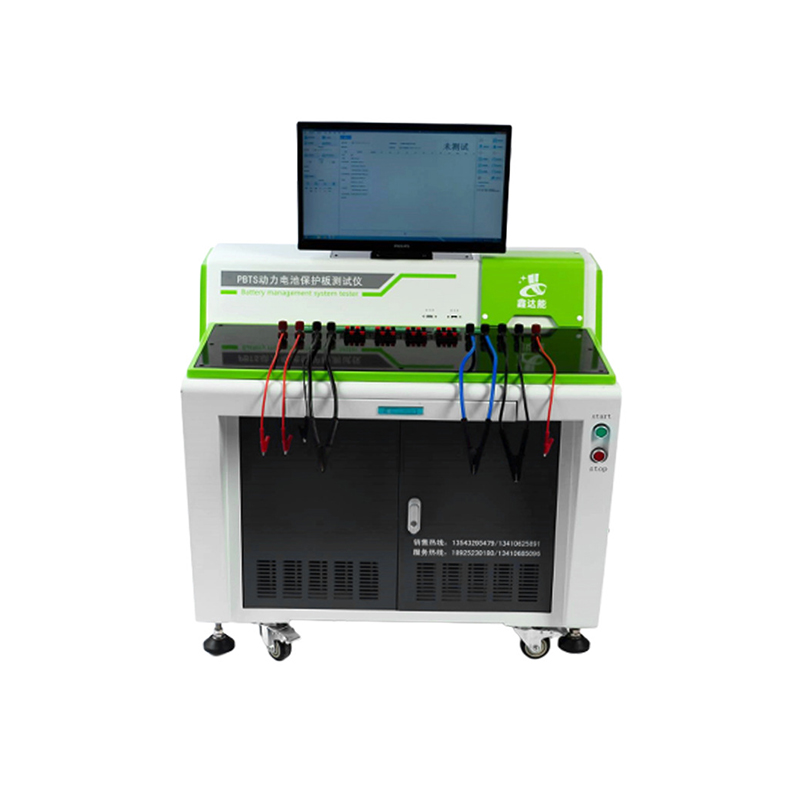
Applied to the safety testing of lithium battery protection boards, it checks whether the various functional indicators of the protection board are within a reasonable parameter range, provides a set of testing standards for staff, helps improve production efficiency, facilitates quality control, and is compatible with common types of protection boards on the market, such as positive electrode same port (split port), negative electrode same port (split port), positive electrode charging and negative electrode discharging. This product is mainly used in production testing, incoming material testing, quality control, research and development testing, and other aspects.
2、 Equipment environmental requirements and technical parameters
2.1 Power supply: AC voltage 220V ± 10%, frequency: 50Hz ± 10%;
2.2 Environmental temperature: 10-45 ℃;
2.3 The environment is free from strong vibrations, corrosive gases, and flammable and explosive gases.
3、 Mode Introduction
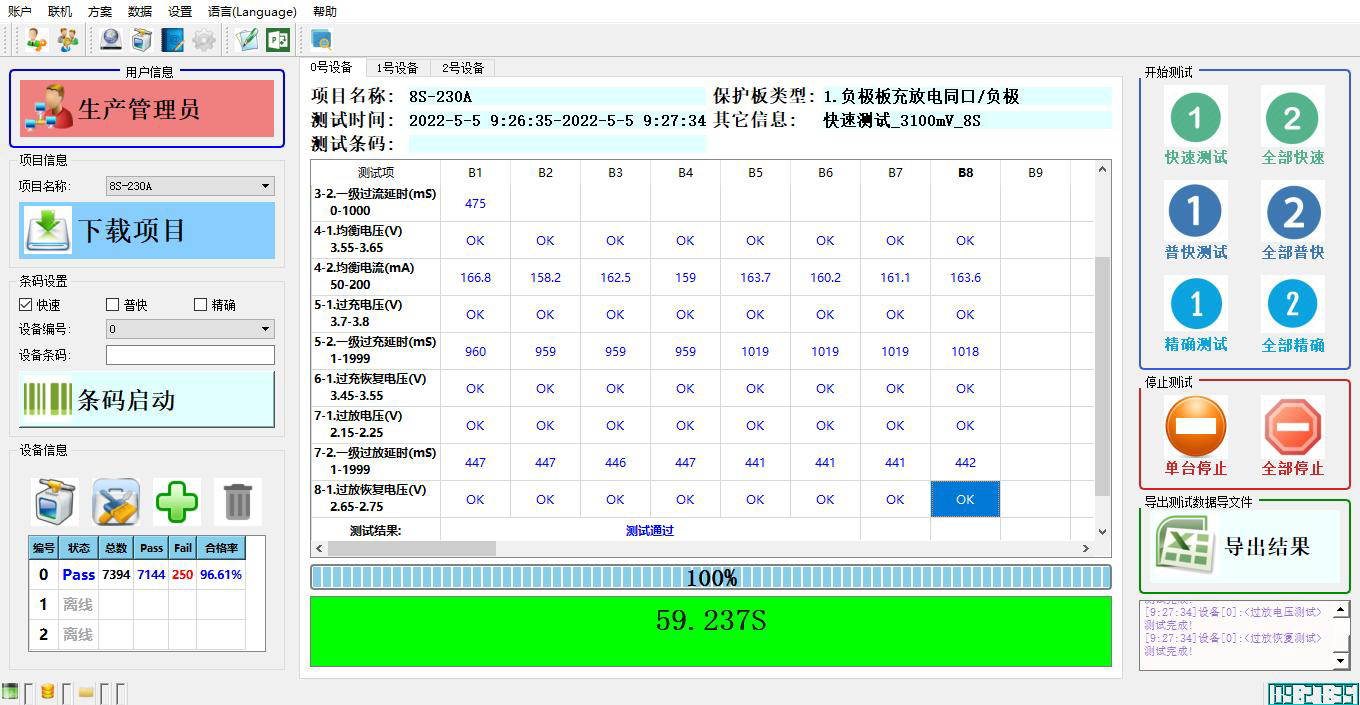
3.1 Rapid testing: Based on the design parameters of the protection board, the upper/lower limits of the device output design parameters are quickly tested to facilitate large-scale rapid testing and shipment by protection board manufacturers and power battery manufacturers. It is suitable for testing protection boards for various hardware and some software solutions.
3.2 Universal Fast Testing: PBST (M) has a unique testing mode where the device detects the delay of the protection board and quickly tests the data of the protection board according to the testing speed set by the manufacturer. The testing speed is moderate and the test displays numerical values, making it suitable for testing rough data quickly for protection board testing.
3.3 Precise Testing: It can accurately detect the precise values of various functional parameters of the power battery protection board (with an error of ± 1mv), facilitating sample debugging and development, and providing a set of standards for rapid testing for R&D personnel.
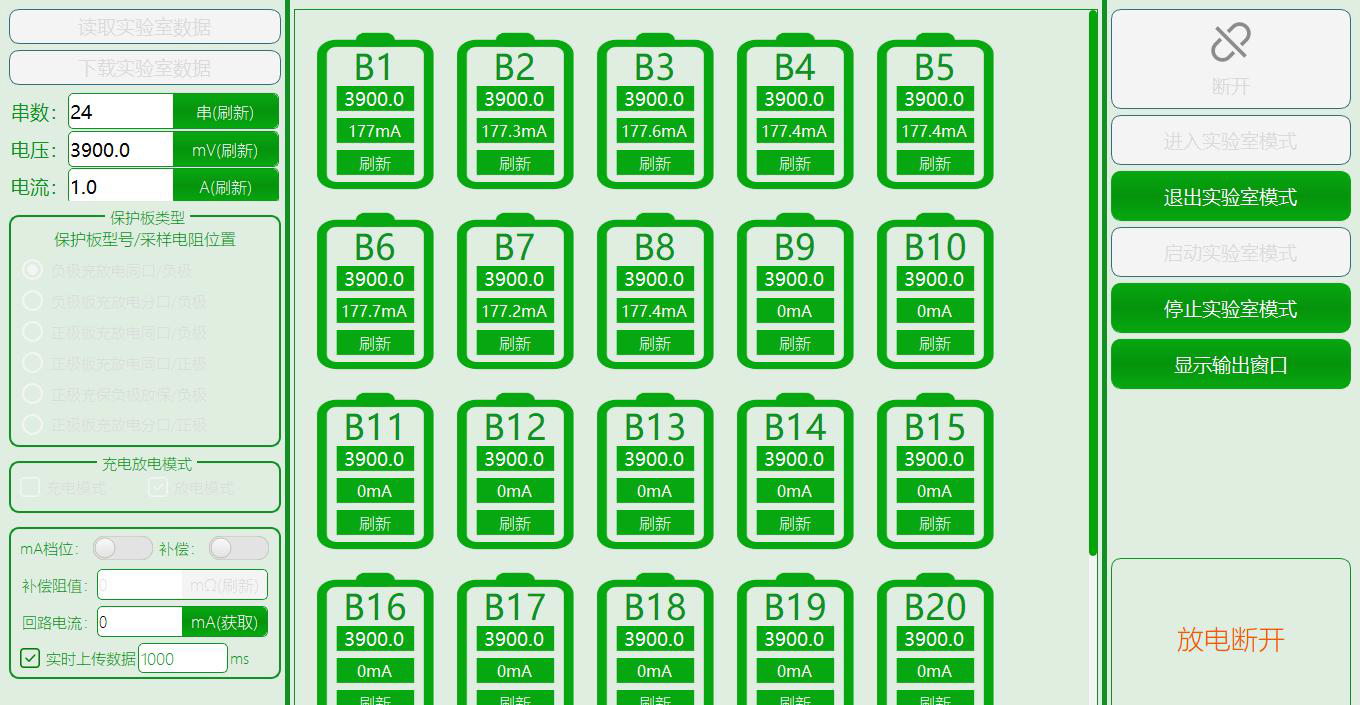
3.4 Laboratory mode: Independently set the voltage of a single string, simulate the voltage variation of a single battery within 0.5-5V, meet the conditions of battery balance, overvoltage, and undervoltage settings, simulate charging and discharging functions, select charging or discharging modes separately, determine whether the MOS transistor is turned off or on, and support checking the working current of each string during operation.